Trump's High-Stakes Bet on Milei: $20 Billion Lifeline or Election Gamble?
10/17/20254 min read
Trump's High-Stakes Bet on Milei: $20 Billion Lifeline or Election Gamble?
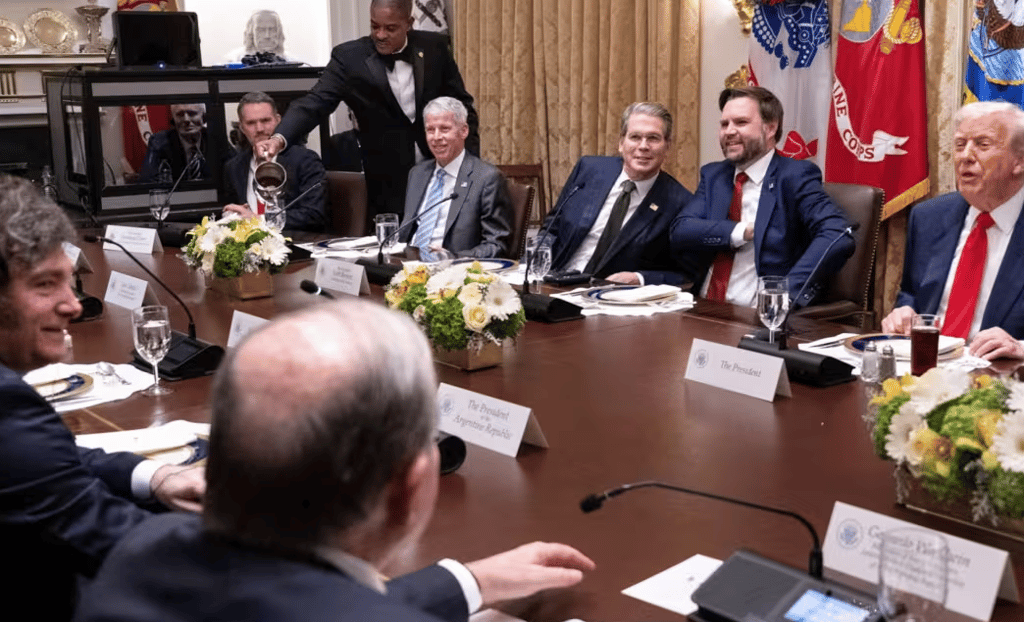
In the high-wire world of international politics, few stories capture the blend of economic drama and geopolitical maneuvering like the recent U.S.-Argentina alliance. On October 14, 2025, President Donald Trump welcomed Argentine leader Javier Milei to the White House, not just for handshakes and photo ops, but to dangle a $20 billion currency swap line—a financial lifeline aimed at steadying Argentina's battered peso. But here's the twist: Trump made it crystal clear this support isn't unconditional. "We're not going to waste our time" if Milei's libertarian coalition stumbles in the upcoming midterm elections on October 26, he declared. It's a bold, unapologetic stance that ties U.S. aid directly to electoral outcomes, raising eyebrows from Buenos Aires to Washington. As markets jitter and voters weigh their choices, this alliance could reshape hemispheric relations—or expose the risks of mixing money with midterms.
The Backstory: Milei's Rocky Road to Reform
Javier Milei burst onto the global stage in late 2023 as Argentina's chainsaw-wielding president, vowing to slash government spending, deregulate industries, and dismantle decades of Peronist policies that he blames for the country's chronic inflation and debt woes. His "shock therapy" approach—firing thousands of public workers, cutting subsidies, and creating a deregulation ministry—promised a libertarian renaissance. Early wins included taming triple-digit inflation from 211% in 2023 to around 50% by mid-2025.
But the road has been bumpy. Argentina's economy contracted by 3.5% in 2024, unemployment hit 9%, and recent provincial elections in Buenos Aires delivered a stinging defeat to Milei's La Libertad Avanza (Freedom Advances) party. Markets panicked, dumping bonds and selling off the peso, which weakened 24% year-to-date. Enter the U.S.: Treasury Secretary Scott Bessent announced the $20 billion swap on October 9, exchanging dollars for pesos to bolster reserves and calm currency volatility. It's not a handout—Argentina pays interest, and the U.S. profits—but it's a timely boost amid a government shutdown back home.
Trump's Play: Ally or Interference?
Trump and Milei share more than ideology; they're bromance buddies in the populist playbook. Milei, a self-proclaimed "anarcho-capitalist," has echoed Trump's "America First" with his own "Argentina First" mantra, praising deregulation and free markets. Their September 23 meeting in New York laid the groundwork for this deal, with Trump now openly endorsing Milei ahead of the midterms. "You're going to win the election," Trump told him, posting on Truth Social: "I’m going to endorse you today, fully endorse you."
Critics cry foul, calling it election meddling. Democrats like Sen. Chuck Schumer blasted the timing: "$20 billion for Argentina, but no money for Americans' health care?" amid the U.S. shutdown. On X (formerly Twitter), reactions range from outrage—"This is a bailout shaped like a bribe," one user quipped—to defenses noting it's a profit-making swap, not a grant. Argentine voices are split too: Some hail it as a vote of confidence in reforms, while others decry it as a "fire sale" of sovereignty to U.S. interests, including potential privatizations benefiting Trump allies.
From a realpolitik lens, it's savvy strategy. The swap isn't tied to ditching China's separate arrangement, per Bessent, but it counters Beijing's influence in Latin America. Plus, with midterm seats up for grabs—127 in the lower house and 24 in the Senate—Milei's current 37 deputies and six senators need gains to pass reforms. Analysts peg 35% of the vote as a win; 40% would be a triumph, signaling growing support beyond his 30% in 2023's presidential first round.
The Bigger Picture: Economics Meets Politics
This isn't just about Argentina. The deal underscores Trump's "America First" evolution: Aid abroad when it aligns with U.S. goals, like tariff exemptions for Argentine exports or countering rivals. Yet risks loom. If Milei falters, pulling support could tank the peso further, spilling volatility into global markets—U.S. farmers already gripe about Argentine soybeans undercutting them. Domestically, it fuels shutdown debates: Why prioritize foreign swaps over homefront fixes?
On the flip side, success could model a new era of hemispheric prosperity. Milei's camp hopes the infusion recreates market confidence, delaying devaluation until post-election. Trump even floated doubling aid to $40 billion, blending swaps with debt facilities. As Bessent put it, it's a "bridge to the election," propping up reforms that could inspire copycats in Brazil or beyond.
Weighing the Outcomes
This saga blends hope and hazard. A Milei win could solidify U.S.-backed reforms, fostering trade ties and economic stability. A loss? Expect a "rethink," as Trump warns, potentially reverting to Peronist policies and straining relations. Markets dipped post-Trump's comments, unconvinced his endorsement sways voters amid scandals and austerity pain.
In essence, Trump's bet on Milei isn't charity—it's chess. It prioritizes ideological kin over blanket aid, echoing his past support for figures like Hungary's Orbán. Whether it pays off hinges on Argentine ballots, but it spotlights a key truth: In global politics, loyalty often comes with a ledger.
As the October 26 vote nears, the world watches. Will this $20 billion gamble ignite prosperity or ignite backlash? And what does it say about the future of U.S. foreign policy under Trump 2.0?
Thought Questions:
Could tying aid to elections strengthen democratic allies, or does it undermine sovereignty?
If Milei wins big, might his model inspire similar reforms in other Latin American nations?
How should the U.S. balance domestic priorities like the shutdown with strategic foreign investments?
hello@boncopia.com
+13286036419
© 2025. All rights reserved.